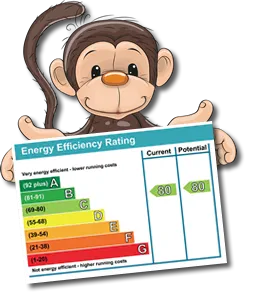
Book Your EPC Today for Just £69
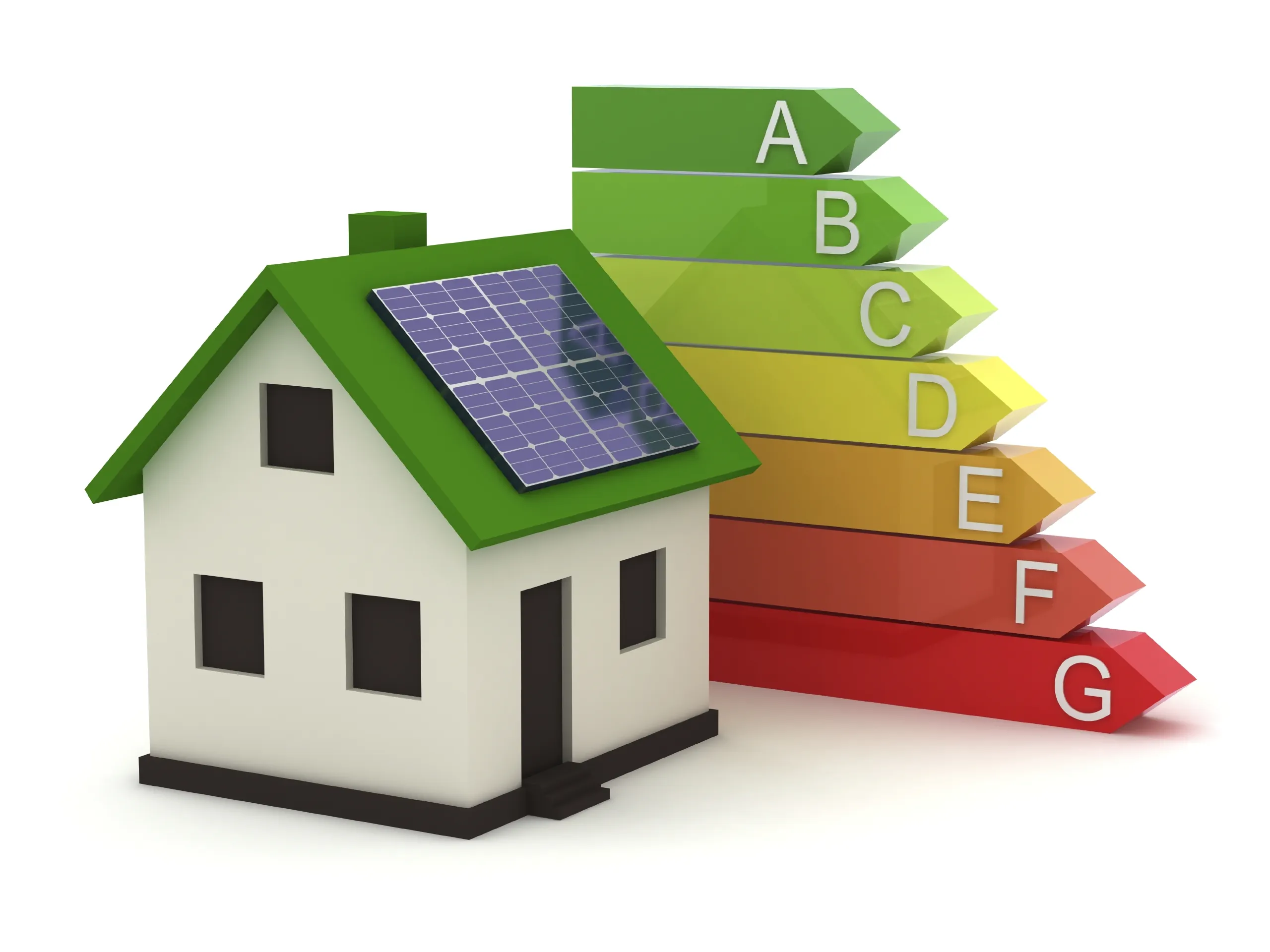
Fast, Simple, and Fully Compliant EPCs from Qualified Insured Assessors
Whether you're selling, renting, or simply checking your property's energy efficiency, we make getting your Energy Performance Certificate quick and stress-free. Book online in minutes, enjoy a fixed price of £69, and get the professional service you need without the usual hassle.
- Fixed price of £69 with no hidden fees
- Qualified, Insured and Accredited Assessors
- Fast turnaround (same day) after your assessment
- Easy online booking in just a few steps
- Reliable, professional service you can trust
- No Upfront Fee, Pay Cash on Delivery or Bank Transfer
Areas of Operation
Based Between Doncaster, Scunthorpe, Gainsborough and Goole, Our Areas of Operation are listed below and include the Surrounding Areas which include South Yorkshire, North Lincolnshire, and parts of Nottinghamshire
Doncaster
- City Center DN1, DN2, DN4
- Bentley - DN5
- Hatfield - DN7
- Armthorpe - DN3
- Thorne - DN8
- Isle of Axholme - DN9
- Bawtry - DN10
- Tickhill - DN11
- Rossington - DN11
- Scunthorpe - DN15, DN16, DN17
- Gainsborough - DN21
- Retford - DN22
Lincoln
- Saxilby - LN1
- Nettleham - LN2
- Cherry Willingham - LN3
- Washingborough - LN4
- Waddington - LN5
- North Hykeham - LN6
Grimsby
- Cleethorpes - DN35
- Immingham - DN40
- Brigg - DN20
- Holton-le-Clay - DN36
- Bradley - DN37
- Tetney - DN36
- North Thoresby - DN36
- Laceby - DN37
- Healing - DN41
Hull
- Hull City Center HU1 - HU10
- Cottingham - HU16
- Hessle - HU13
- North Ferriby - HU14
- Brough - HU15
Rotherham
- Rotherham S60
- Rotherham S65
- Rotherham S66
Worksop
- Worksop S80
- Worksop S81
- Dinnington S25
Governing Bodies
Epc's and other Surveys are Regulated by Governing Bodies and Our Surveyors have Qualifications from:





Book an Appointment Today
Fixed price of £69 with no hidden fees - Payment by Bank Transfer or Cash, at the Time or after the Survey. Not Before
Frequently Asked Questions
The Domestic Site Survey
What exactly does a qualified EPC assessor look for during a UK home inspection?
A qualified Domestic Energy Assessor (DEA) visually inspects your home’s main energy elements, including the heating system, insulation, windows, and lighting, to calculate its energy efficiency. During their 30 to 40-minute visit, the assessor acts much like a keen gardener examining the roots of a thriving plant. They will photograph your boiler's make and model, check the depth of your loft insulation, count low-energy LED bulbs, and inspect your window glazing. All of this vivid, factual data is fed into the RdSAP 10 methodology to generate your official A to G rating.During their 30 to 40-minute visit, the assessor acts much like a keen gardener examining the roots of a thriving plant. They will photograph your boiler's make and model, check the depth of your loft insulation, count low-energy LED bulbs, and inspect your window glazing. All of this vivid, factual data is fed into the RdSAP 10 methodology to generate your official A to G rating.
How do I prepare my house for an Energy Performance Certificate (EPC) assessment?
You can prepare for an EPC assessment by gathering relevant paperwork, such as FENSA certificates and boiler manuals, and ensuring the assessor has clear access to all rooms, your loft, and heating controls.
To ensure your home blooms with the best possible rating, follow this step-by-step guidance:
- Gather evidence: Have insulation guarantees and extension paperwork printed and ready to present.
- Clear the path: Unlock external meter boxes, clear out the under-stairs cupboard, and ensure the loft hatch is easily accessible.
- Quick wins: Swap out old, energy-hungry halogen bulbs for brilliant, energy-efficient LEDs to instantly nurture your rating.
Why does missing insulation paperwork lower my final EPC rating?
Missing insulation paperwork lowers your EPC rating because the official RdSAP 10 methodology legally requires assessors to record a worst-case default value if they cannot physically see the insulation or verify it with documentation.
If your wall cavities or flat roofs are insulated but hidden, the assessor must assume no insulation exists. Just as a garden without proven, nutrient-rich compost might be assumed barren, a home without documented efficiency upgrades will automatically receive a lower score. Always present your guarantees to secure the sparkling energy rating your property deserves!
Does a Domestic Energy Assessor carry out an intrusive physical survey of my property?
No, a Domestic Energy Assessor carries out a strictly non-intrusive, visual inspection of your property without causing any damage or disruption to the building fabric.
They will not drill into your walls, lift securely fixed floorboards, or move heavy furniture. They simply observe, measure, and photograph easily accessible areas. You can relax knowing your home—and your carefully tended indoor plants—will remain completely undisturbed while the assessor meticulously gathers the facts they need.
What is the RdSAP 10 methodology used in UK EPC assessments?
RdSAP 10 is the updated, official UK government calculation methodology that Domestic Energy Assessors use to determine an existing home's energy efficiency rating.
Introduced as the new standard, it collects far more precise data regarding your heating, ventilation, and solar energy systems than previous versions, ensuring a highly accurate and factual reflection of your home's true environmental performance.
What Happens if my Rental Property fails with a F or G rating?
If your rental property receives an F or G rating on its Energy Performance Certificate (EPC), it does not meet the Minimum Energy Efficiency Standards (MEES) required by law in the UK. Here's what happens and what you need to do:
Legal Implications
-
Illegal to Rent Out:
- Properties with an EPC rating of F or G cannot legally be rented out unless an exemption is registered. This applies to both new and existing tenancies.
-
Penalties for Non-Compliance:
- Landlords who rent out properties below the minimum standard without an exemption may face fines of up to £5,000 per property.
Steps to Take
-
Improve the Energy Efficiency:
- You must make improvements to bring the property up to at least an E rating. Common upgrades include:
- Installing loft or wall insulation.
- Upgrading to energy-efficient windows or doors.
- Replacing an old boiler with a modern, energy-efficient model.
- Adding renewable energy sources like solar panels.
- You must make improvements to bring the property up to at least an E rating. Common upgrades include:
-
Apply for Funding or Grants:
- Check if you qualify for government schemes or grants to help cover the cost of energy efficiency improvements.
-
Register an Exemption (if applicable):
- In some cases, you may be able to register an exemption on the PRS Exemptions Register. Examples include:
- If the cost of improvements exceeds £3,500 (including VAT).
- If the property is a listed building and changes would alter its character.
- If you’ve made all possible improvements but still cannot achieve an E rating.
- In some cases, you may be able to register an exemption on the PRS Exemptions Register. Examples include:
Impact on Tenants
- Higher Energy Bills: Properties with poor energy efficiency are more expensive to heat, which can lead to tenant dissatisfaction.
- Difficulty Attracting Tenants: Tenants are increasingly prioritising energy-efficient homes to save on utility costs.
Next Steps
- Arrange for a qualified Domestic Energy Assessor to re-evaluate the property after making improvements.
- Ensure compliance before marketing or renewing any tenancy agreements.
Let me know if you'd like guidance on specific improvements or further assistance!
Contact
Necessitatibus eius consequatur ex aliquid fuga eum quidem sint consectetur velit
Address
Isle of Axholme | DN9
Call Us
07706 413 904
Email Us
Click Here to E Mail
Open Hours:
Monday - Friday: 9AM - 7PM
Saturday: 9AM to 2PM
Sunday: Closed